Animal Forest Clipart: Watercolor Illustrations Review
First Impressions: Evaluating the Whimsical Aesthetic for Client Work
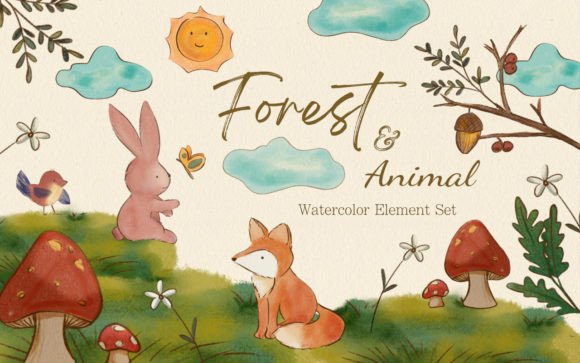
When sourcing a graphic design asset for a client rebrand, my first step is always assessing emotional resonance before technical specs. Upon reviewing the Animal Forest Clipart Watercolor Story collection, the immediate impression is one of soft, organic nostalgia. This is not merely a set of isolated animals; it is a cohesive narrative system. The watercolor textures possess enough grain and bleed to feel authentically handmade, avoiding the sterile, plastic look that often plagues digital illustrations. For a designer working with a boutique children’s brand or an eco-conscious stationery line, this specific visual texture communicates trust and warmth instantly.
In a recent concept phase for a handmade baby product line, I needed assets that bridged the gap between playful and premium. This collection succeeded because the color palette is muted rather than neon, allowing it to sit comfortably alongside sophisticated typography. However, as with any creative design resource, the initial beauty must be backed by functional versatility. While the mood is perfect for nurturing brands, I had to critically evaluate whether these elements could withstand the rigors of commercial production across various media.
Application in Brand Identity and Packaging Design
For brand identity projects, consistency is paramount. I tested these assets as supporting elements for a secondary logo mark and packaging pattern. The strength of the Animal Forest Clipart Watercolor Story lies in its modularity. The individual creatures and foliage can be separated to create a custom packaging design border without looking repetitive. When applied to a kraft paper hang tag mockup, the watercolor edges blended naturally with the substrate texture, enhancing the perception of a handmade business.
However, designers must be cautious when integrating these into a primary logo design. Watercolor inherently lacks the crisp vector precision required for scalable brand marks. I recommend using this collection for marketing visuals, social media templates, and packaging accents rather than the core logotype itself. If a client insists on a watercolor logo, ensure you have high-resolution masters, as scaling down complex brush strokes can result in muddy details. For small business branding, this asset shines brightest when used to build a visual world around a cleaner, more structured typographic logo.
Performance Across Print-on-Demand and Digital Products
The true test of any design bundle is its adaptability across revenue streams. I evaluated this collection specifically for print-on-demand sellers and Etsy shop owners. For t-shirt design and apparel, the transparency of the PNG files is clean, with no jagged halos against dark fabrics. This is critical for sublimation design where white ink isn't used; the colors must hold their own against colored garments. The whimsical nature of the forest theme performs exceptionally well on tote bags and mugs, where the illustration style aligns with consumer expectations for giftware.
On the digital front, these assets are ideal for Canva template creation. Content creators and bloggers can drag and drop these elements into Instagram carousels or Pinterest pins without needing advanced Photoshop skills. The visual weight of the illustrations balances well with negative space, making them effective for social media graphics that need to stop the scroll. For those selling digital products like printable planners or journals, the Animal Forest Clipart Watercolor Story provides instant value-add decoration that justifies a higher price point compared to plain layouts.
Strategic Placement: Where These Illustrations Thrive
Understanding visual hierarchy is essential when deploying ornate assets. This collection works best in large layout areas where the brushwork can breathe. Hero sections on web design landing pages, full-bleed book covers, and editorial design spreads are ideal environments. The intricate details of the fur and leaves reward closer inspection, making them perfect for physical products like greeting cards or wall art where the viewer engages intimately with the piece.
As decorative accents in sticker design or planner dashboards, they add charm without overwhelming functional text. For Cricut project users creating vinyl decals, simpler silhouettes from the set may work better than the full-color versions, but the original artwork serves as excellent reference for layering. In commercial design campaigns for seasonal events, such as autumn launches or spring sales, these illustrations provide a ready-made thematic anchor that saves hours of custom drawing time.
Navigating Limitations and Visual Constraints
No design asset is universal. There are specific scenarios where the Animal Forest Clipart Watercolor Story requires careful handling. Avoid using these in crowded layouts with dense body copy; the organic edges compete with text alignment, potentially harming readability. Similarly, minimalist corporate branding or tech-focused identities will likely clash with the rustic, storybook aesthetic. The asset demands whitespace to function effectively.
Contrast is another technical consideration. On low-contrast backgrounds or similar pastel tones, the watercolor edges may disappear. Always verify legibility at small sizes. While beautiful at 8 inches wide, some finer details may vanish when scaled down to a 1-inch icon for a website footer. Furthermore, if your project requires strict CMYK color matching for offset printing, remember that vibrant RGB watercolors can shift during conversion. Always request or create a printed proof before committing to a large run of product mockup materials or packaging.
Technical Due Diligence for Professional Designers
Before licensing any clipart for client work, rigorous testing is non-negotiable. Start by placing the assets on both pure white and deep charcoal backgrounds to check for stray pixels or transparency issues. Test the files in black and white; if the illustration relies solely on color for definition, it may fail in single-color print applications like embossing or newspaper ads. Verify the resolution meets 300 DPI standards at the intended print size to avoid pixelation in professional output.
Typography pairing is equally vital. I found that rounded serifs and organic handwritten fonts complement this collection best, reinforcing the storybook vibe. Conversely, stark geometric sans-serifs can create a jarring disconnect unless intentionally aiming for eclectic contrast. Finally, and most importantly, scrutinize the commercial license. Ensure the terms cover your specific use case, whether that is end-product sales, digital templates, or client branding. Confirm if attribution is required and whether the asset can be modified. A thorough review of these legal and technical parameters ensures that the Animal Forest Clipart Watercolor Story remains a safe, profitable, and beautiful addition to your creative marketplace toolkit.