Ballerina Watercolor Drawing for Illustrations
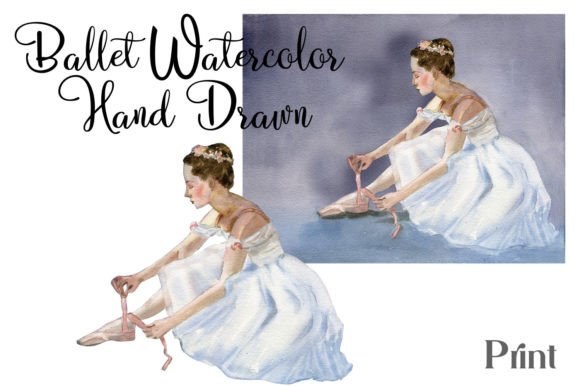
When evaluating a new graphic design asset for a client project, my first question is always about emotional resonance before technical specification. Upon opening the Ballerina - Watercolor Drawing file, the immediate impression is one of delicate movement and organic texture. Unlike rigid vector art, this illustration carries the unpredictable beauty of traditional media digitized for modern use. The brushwork suggests grace and discipline, making it an evocative choice for brands that need to communicate elegance without feeling sterile. For a recent rebranding project involving a boutique dance studio and children’s apparel line, this specific asset served as the anchor for our visual mood board. It bridges the gap between fine art and commercial application, offering a softness that purely digital illustrations often lack.
Elevating Brand Identity and Packaging Concepts
In the context of small business branding, particularly for handmade businesses or creative marketplaces, authenticity is currency. I utilized the Ballerina - Watercolor Drawing as a primary element for a limited-edition product label. The watercolor texture provided necessary contrast against clean, sans-serif typography, creating a balanced visual hierarchy that felt both premium and approachable. When applied to packaging design, the translucent edges of the watercolor allowed for seamless blending with pastel background colors, avoiding the harsh "sticker sheet" look that plagues lower-quality clipart.
For brand identity work, this illustration functions best as a supporting visual rather than a standalone logomark. Watercolor details can be lost at favicon sizes, so I recommend using this asset for secondary touchpoints like thank-you cards, tissue paper patterns, or shopping bag designs. In our test case, pairing the ballerina with a refined serif font created a cohesive narrative of classical training and modern femininity. This combination proved essential for establishing trust and recognition among parents seeking quality dancewear, demonstrating how a single digital product can influence the perceived value of physical goods.
Performance Across Print-on-Demand and Digital Channels
Versatility is non-negotiable when investing in design assets for commercial use. I tested the Ballerina - Watercolor Drawing across multiple mediums to gauge its adaptability. For print-on-demand sellers focusing on t-shirt design and tote bags, the artwork holds up beautifully on white and light-colored fabrics. The pigment density is sufficient to prevent the design from looking washed out after printing, which is a common failure point for watercolor-style sublimation designs. However, designers should note that this style requires careful color management when printing on dark garments; it may require a white underbase or a redesigned color palette to maintain luminosity.
On the digital front, this illustration excels in social media graphics and Pinterest pins. The vertical orientation and fluid composition naturally guide the viewer's eye, making it ideal for Instagram Stories or blog headers. When integrated into a Canva template for a seasonal campaign, the Ballerina - Watercolor Drawing added a layer of bespoke artistry that stock photography simply cannot replicate. For content creators and bloggers, this asset provides a consistent thematic thread across disparate posts, reinforcing brand consistency without repetitive visual fatigue. It transforms generic marketing visuals into editorial design pieces that encourage audience engagement through aesthetic appreciation.
Navigating Layout Constraints and Visual Hierarchy
While visually stunning, watercolor illustrations demand intentional placement. Through practical testing, I identified specific environments where the Ballerina - Watercolor Drawing thrives and areas where caution is required. This asset performs exceptionally well in large layout areas such as hero graphics for web design, event posters, and printable wall art. The intricate details of the brushstrokes invite closer inspection, rewarding the viewer for lingering on the page. It also serves as an excellent decorative accent for invitations and stationery suites, where the negative space around the figure allows for elegant text integration.
Conversely, designers must exercise restraint when using this asset in crowded layouts or complex backgrounds. Because watercolor relies on soft edges and tonal variation, placing it over busy patterns or low-contrast photography will destroy readability. It is generally unsuitable for minimalist corporate materials or technical diagrams where clarity trumps emotion. Furthermore, if your project requires absolute scalability for billboards or vehicle wraps, verify whether you are working with a high-resolution PNG design or a true SVG design. Rasterized watercolor has resolution limits, and pixelation at large scales will undermine the professional polish of your commercial design.
Critical Pre-Flight Checks for Commercial Application
Before committing this graphic design asset to a final deliverable, rigorous testing is mandatory. My pre-flight checklist for the Ballerina - Watercolor Drawing includes several non-negotiable steps to ensure client satisfaction and legal compliance. First, always confirm the commercial license terms. Whether sourcing from Etsy or a dedicated creative marketplace, understanding usage rights prevents costly legal disputes down the line. Verify if the license covers unlimited sales for print-on-demand products or if there are caps for digital distribution.
- Contrast Testing: View the asset in grayscale to ensure the values hold up without color. If the ballerina disappears against the background in black and white, it lacks sufficient contrast for accessible web design or monochrome printing.
- Typography Pairing: Test the illustration alongside various typefaces. Script fonts can sometimes compete with the fluid lines of the watercolor; often, a structured geometric sans-serif provides better balance than a matching handwritten font.
- File Integrity: Inspect PNG transparency for stray pixels or jagged edges. Clean masks are vital for sticker design and Cricut projects where cut lines must be precise. If editing is needed, check if the source files support layer adjustments.
- Mockup Validation: Never approve a design based on screen view alone. Place the Ballerina - Watercolor Drawing on realistic product mockups to assess scale and texture interaction. What looks vibrant on a monitor may appear muted on uncoated paper or fabric.
- Size Scalability: Preview the asset at both 2 inches and 20 inches wide. Ensure details remain legible at small sizes for tags or labels, and that resolution remains crisp at large sizes for wall art or banners.
Strategic Value for Creative Professionals
Ultimately, the decision to incorporate the Ballerina - Watercolor Drawing into a professional workflow comes down to efficiency and aesthetic alignment. For designers managing tight deadlines, having a high-quality, pre-made illustration that captures a specific mood saves hours of custom painting time while still delivering a unique result. For crafters and digital sellers, it offers a foundational element for building themed collections, from nursery decor to ballet recital programs. The asset’s strength lies in its ability to humanize digital spaces, adding warmth and tactile suggestion to otherwise flat screens and printed surfaces.
However, successful implementation requires treating this illustration as a collaborative partner in the design process rather than a mere decoration. Respect its organic nature by allowing it breathing room. Support its narrative with complementary typography and color palettes. By approaching the Ballerina - Watercolor Drawing with professional scrutiny and creative intention, designers can transform a simple digital file into a powerful vehicle for brand storytelling. Whether used for a local event flyer or a national e-commerce launch, this asset proves that traditional artistic sensibilities still have a vital place in modern commercial design, provided they are applied with technical precision and strategic foresight.