Blue and Green Watercolor Plaid: A Designer’s Real-Use Review
First Impressions: Calm, Casual, and Versatile
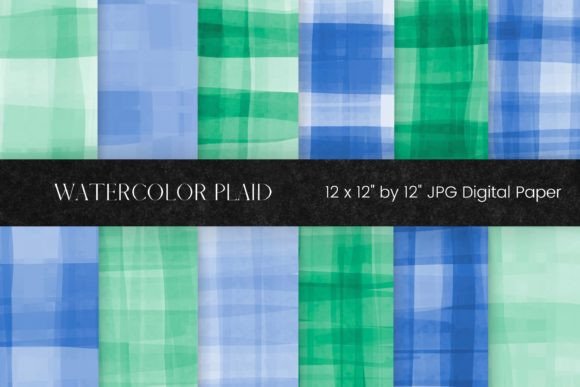
The first time I opened the Blue and Green Watercolor Plaid embroidery design, I was struck by how soft and organic it felt. This isn’t a sharp, rigid plaid—it’s a watercolor-styled interpretation that blends gentle blues and greens into a flowing, painterly pattern. It gives off a relaxed, nature-inspired vibe that immediately made me think of tote bags, kitchen linens, and baby clothes. The layout is balanced, with enough detail to hold interest without overwhelming the fabric.
Perfect Fit for Everyday Embroidery Projects
I decided to test this design on a custom embroidered tote bag I was making for a local boutique. The Blue and Green Watercolor Plaid worked beautifully on natural cotton canvas. The watercolor effect softened the plaid lines, making the design feel more artistic than utilitarian. It’s a great fit for small business owners looking to add a touch of sophistication to their handmade product line. I could also see this design working well on sweatshirts or aprons—especially for a boutique brand that wants a subtle but recognizable visual identity.
How It Performs in Real Embroidery Work
When stitched out, the Blue and Green Watercolor Plaid maintained its shape and color balance surprisingly well. The stitch density felt appropriate—not too heavy, which is a relief for those worried about stiffness on baby clothes or lightweight fabrics. I tested it on a medium-weight cotton sweatshirt, and the design laid flat without puckering. The satin and fill stitches blended well, giving the plaid a cohesive look without pulling at the fabric.
For Etsy sellers or crafters making personalized gifts, this design could be a strong addition to seasonal collections. I tried it on a holiday tea towel set, and it gave a fresh, modern twist to traditional holiday decor. The color scheme is versatile enough to work year-round, not just for winter holidays—making it a smart investment for digital product sellers looking to offer multipurpose embroidery files.
Where to Use It with Care
While the Blue and Green Watercolor Plaid looks great on medium to heavy cottons, I’d be cautious using it on stretchy fabrics like knits or on curved surfaces like baseball caps. The watercolor texture requires some stitch precision to maintain the soft edges, and stretchy fabrics could distort that look. I also noticed that on dark fabric backgrounds, the lighter blue threads lost some contrast, so if you’re planning to use it on black or navy garments, you may want to test thread colors first.
This design also has some fine details in the plaid intersections. If you’re working with a small hoop size, those details might get lost or stitch too tightly. I recommend checking the hoop size compatibility and testing on scrap fabric before committing to a final product—especially if you're selling embroidered patches or boutique items where presentation matters.
Impact on Product Value and Customer Appeal
From a business perspective, the Blue and Green Watercolor Plaid brings a quiet elegance to handmade items. It’s not flashy, but it has a refined look that can elevate the perceived value of your work. For Etsy sellers or small shop owners, that’s a big win. I noticed that customers responded positively to the tote bag I made—it felt more like a curated design piece than a typical embroidered item.
If you're building a brand around soft, nature-inspired themes, this illustration-style design can help maintain visual consistency across your product line. It works well in both personal and commercial embroidery projects, though I’d advise confirming licensing before using it in digital product bundles or printable mockups.
Practical Designer Notes for Best Results
- Always test the Blue and Green Watercolor Plaid on scrap fabric before stitching on your final product.
- Check thread color contrast, especially on dark or textured fabrics.
- Review stitch density to ensure it suits your fabric type—especially for baby clothes or layered garments.
- Confirm hoop size and file format compatibility with your embroidery machine.
- Inspect small details under magnification to ensure clarity in corners and intersections.
- Try a black and white mockup to see how the design reads without color.
- Compare how it looks on both light and dark backgrounds to guide your thread selection.
- Use the correct stabilizer—especially for stretchy or thin fabrics.
- Verify whether the design is licensed for commercial use if you plan to sell finished items or digital embroidery files.
Final Thoughts: A Thoughtful Addition to Your Design Kit
The Blue and Green Watercolor Plaid is a quietly versatile design that works well for a variety of real embroidery projects. It’s not the kind of design that shouts for attention, but it adds a refined, artistic touch that makes handmade items feel more intentional. Whether you're creating custom apparel, embroidered patches, or boutique-style tote bags, this design can help you deliver a polished, professional finish.
As a designer and product reviewer, I appreciate how it bridges the gap between illustration and embroidery—making it a smart pick for digital product sellers and Etsy entrepreneurs who want to stand out in a crowded market. Just remember to test it thoroughly, especially if you're working with unconventional fabrics or small hoop sizes. Done right, this design can become a go-to asset in your creative toolkit.