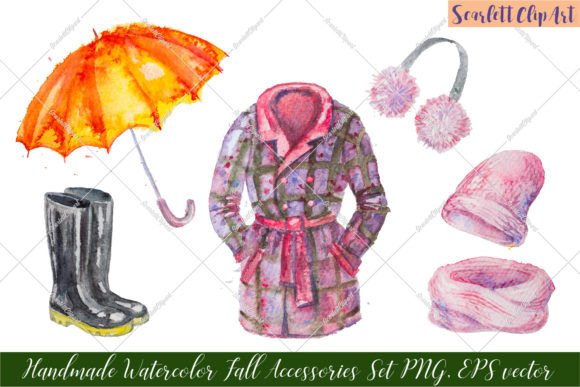
Fall Accessories Set Vector Watercolor Review
As a designer who spends just as much time behind an embroidery machine as I do at a computer screen, I approach every new digital asset with a healthy dose of skepticism. When evaluating the Fall Accessories Set Vector Watercolor, my first thought wasn't about how pretty it looked on a monitor, but how those soft, blended gradients would translate into actual thread. Watercolor-style illustrations are notoriously tricky in machine embroidery because they rely on visual softness that traditional satin stitches often destroy. However, after reviewing this set for potential use in my upcoming autumn collection, I see significant promise for makers who understand how to bridge the gap between digital art and textile reality.
Translating Soft Aesthetics to Stitched Reality
The immediate appeal of this collection lies in its mood. Unlike rigid, cartoonish fall clipart, these vectors carry a nostalgic, organic warmth that customers currently crave in handmade products. The color palettes suggest muted terracottas, sage greens, and warm mustards rather than primary colors, which signals a more sophisticated, boutique-level aesthetic. For an embroidery designer, this means the artwork is already halfway to being a viable commercial product. It doesn't scream "craft fair table"; it whispers "curated Etsy shop."
However, the transition from vector to stitch requires careful interpretation. In my assessment, these designs perform best when treated as inspiration for mixed-media techniques or specialized digitizing rather than direct auto-digitize conversions. The watercolor edges, which look beautiful on screen, can become jagged or overly dense if not handled correctly. I envision using these primarily as templates for applique designs where the fabric provides the texture and color variation, or as guides for light-density fill stitches that mimic brushwork without causing puckering. If you attempt to replicate every pixel of the watercolor effect with standard thread, you risk creating a bulletproof patch that distorts your garment. The beauty here is in the suggestion of color, not the saturation of it.
Real-World Application: The Custom Tote Bag Test
To truly judge the viability of the Fall Accessories Set Vector Watercolor, I mentally prototyped a specific project: a custom embroidered tote bag for a local harvest market client. Tote bags are high-stakes items; the canvas is textured, the usage is rough, and the design needs to be legible from a distance while retaining its delicate charm up close.
In this scenario, I selected a pumpkin accessory illustration from the set. Rather than stitching out the entire watercolor gradient, I used the vector lines as a guide for a running stitch outline combined with strategic negative space. The result maintains the airy feel of the original illustration while ensuring structural integrity on heavy canvas. This approach respects the fabric texture rather than fighting against it. For small business owners and Etsy sellers, this distinction is vital. A tote bag that feels stiff and over-stitched looks mass-produced, whereas one that integrates the design with the natural weave of the fabric feels like a premium personalized gift. This set provides the artistic direction needed to achieve that balance, provided you resist the urge to over-digitize.
Ideal Projects for Autumn Merchandising
Beyond tote bags, this illustration set shows strong potential across several categories relevant to creative entrepreneurs and apparel decorators:
- Sweatshirt Embroidery: The cozy, hand-painted vibe aligns perfectly with fleece and French terry fabrics. These designs work exceptionally well as left-chest motifs or centered back pieces on crewnecks intended for holiday embroidery sales.
- Nursery and Baby Items: The softer color grading makes these suitable for baby blankets and bibs, avoiding the harsh contrast that can sometimes overwhelm infant wear. Just ensure the stitch density is low enough to keep the fabric flexible.
- Kitchen Textiles: Tea towels and aprons benefit from the seasonal theme without looking cliché. The watercolor style elevates what could otherwise be generic kitchen decor into a thoughtful wedding gift or housewarming present.
- Digital Product Previews: For those selling digital embroidery files or printable mockups, these vectors serve as excellent base assets for creating professional listing photos that accurately represent the finished product's mood.
Critical Considerations for Fabric and Hoop Selection
While the aesthetic versatility is high, practical limitations exist. As with any detailed illustration converted to embroidery, context dictates success. I would advise extreme caution when applying these designs to highly textured fabrics like terry cloth or boucle unless you are using them strictly as applique patterns. The subtle shading nuances of the watercolor style will simply get lost in the pile of the fabric, resulting in a muddy appearance.
Stretchy fabrics also present a challenge. The organic shapes in this set often lack the geometric stability that helps prevent distortion on knits. If you are planning sweatshirt embroidery or custom apparel on jersey material, you must use appropriate stabilizer and potentially simplify the design elements. Tiny details, such as thin stems or delicate leaf veins inherent in watercolor art, may need to be thickened or removed entirely to prevent needle breaks and thread shredding.
Furthermore, consider your hoop size constraints. Watercolor illustrations often rely on expansive, open compositions. Scaling these down to fit a 4x4 hoop for a baby onesie might force you to sacrifice the very details that make the design special. Always verify the minimum recommended size before purchasing. If the design relies on color blending, reducing it too much turns distinct shapes into indistinguishable blobs. Conversely, scaling up for large pillow covers requires checking whether the line weight remains proportional or becomes too sparse.
Protecting Your Brand and Business Integrity
For craft business owners and commercial embroidery professionals, the value of a design asset extends beyond its visual appeal. It encompasses reliability and licensing clarity. Before integrating the Fall Accessories Set Vector Watercolor into your production lineup, conduct a thorough technical audit. Run a test stitch-out on scrap fabric that matches your final project material. Check thread colors against the vector palette under natural lighting, as screen brightness often misrepresents how thread sheen interacts with matte cotton or linen.
Review the licensing terms meticulously. If you plan to sell finished products featuring these designs, confirm that commercial use is permitted. If you intend to modify the vectors to create your own unique machine embroidery design files for resale, verify that derivative works are allowed. Nothing damages customer trust or brand reputation faster than copyright disputes or inconsistent product quality caused by untested assets.
Additionally, evaluate how these designs fit your existing brand identity. Do they complement your current catalog, or do they clash with your established style? Consistency builds recognition. If your shop specializes in bold, high-contrast collegiate lettering, introducing soft watercolor florals might confuse your audience. However, if your brand focuses on cottagecore, boho, or vintage aesthetics, this set could be a valuable addition to your design assets library.
Designer’s Checklist for Success
To maximize the potential of this collection while minimizing production risks, follow these practical steps:
- Mockup in Black and White: Before committing to color, view the vector in grayscale. If the composition reads clearly without color, it will likely digitize well. If it relies entirely on color contrast to define shapes, it may fail in thread form.
- Verify Stabilizer Pairings: Match your stabilizer weight to both the fabric and the design density. Watercolor styles often require lighter stabilizers to avoid stiffness, but complex areas may need temporary topping to prevent stitches from sinking.
- Test on Dark vs. Light Backgrounds: Watercolor vectors are typically designed for white backgrounds. On dark garments, you may need to add a white underlay or adjust the color values significantly to maintain visibility and vibrancy.
- Audit Small Details: Zoom in to 100% and identify any elements smaller than 1mm. These should be removed or enlarged before digitizing to ensure clean stitching and reduce jump stitches.
- Confirm File Compatibility: Ensure the vector format (AI, EPS, SVG) is compatible with your digitizing software or your designer’s preferred workflow before purchase.
Ultimately, the Fall Accessories Set Vector Watercolor offers a beautiful foundation for autumn projects, but it demands respect for the medium of embroidery. It is not a plug-and-play solution but rather a collaborative starting point for designers willing to interpret art through the language of thread. When approached with technical mindfulness and creative adaptation, these illustrations can transform standard seasonal merchandise into distinctive, high-value handmade products that resonate deeply with customers seeking authentic, artisanal quality.