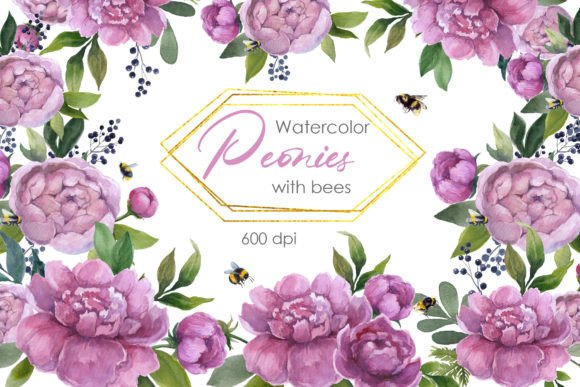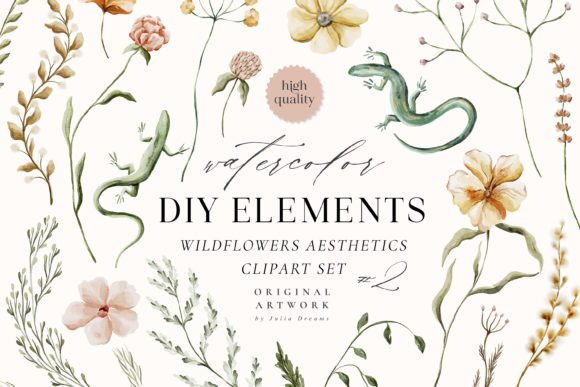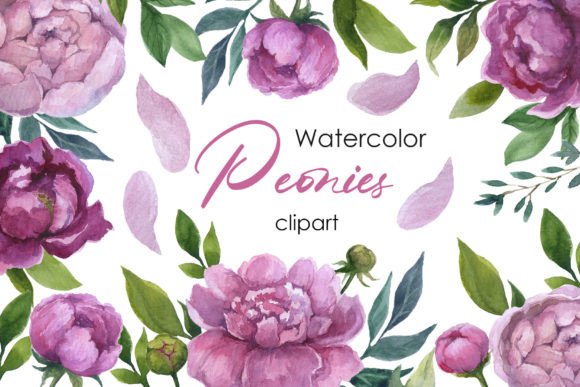
Watercolor Clipart Wildflower Peonies Illustrations
As a digital publisher and blog designer, my first interaction with any new graphic design asset is strictly analytical. I am not just looking for something pretty; I am evaluating whether a visual element can carry the weight of editorial responsibility. When reviewing Watercolor Clipart Wildflower Peonies, the immediate impression is one of organic sophistication and tactile warmth. Unlike flat vector art or sterile stock photography, these illustrations possess a hand-painted authenticity that signals care and craftsmanship to the reader. This specific aesthetic creates an editorial mood that is simultaneously feminine, grounded, and professionally artistic.
For content creators operating in lifestyle, wellness, botanical, wedding, or sustainable living niches, this asset bridges the gap between personal blogging and high-end magazine styling. The watercolor texture introduces a human element that fosters reader trust, suggesting that the content behind the image is equally thoughtful and curated. In a digital landscape saturated with AI-generated imagery and generic templates, genuine watercolor peony illustrations serve as a visual anchor, grounding your website header or newsletter banner in natural elegance.
Elevating Editorial Layouts and Blog Graphics
In real publishing workflows, versatility is the primary metric for success. Watercolor Clipart Wildflower Peonies excel because they function as modular design elements rather than static backgrounds. When designing featured images for long-form articles, I often struggle to find visuals that complement text overlays without competing for attention. The soft edges and translucent washes of these peonies allow for seamless integration with headline typography. They provide color and emotion while leaving ample negative space for readable copy, which is essential for maintaining a strong visual hierarchy on content-heavy pages.
Beyond standard blog graphics, these illustrations are exceptionally valuable for creating cohesive brand identity across multiple platforms. Consider the workflow for a seasonal content campaign. You might use a dense cluster of peonies for a website hero image, isolate a single stem for a Pinterest pin, and utilize a scattered border arrangement for a lead magnet PDF cover. This consistency transforms disparate content pieces into a unified visual narrative. For affiliate marketers promoting beauty products, gardening tools, or home decor, using consistent floral motifs helps create subconscious category recognition, making your affiliate content feel like a natural extension of your editorial voice rather than an interruption.
Strategic Applications for Digital Products and Printables
The value of this graphic design asset extends significantly into the realm of monetization and audience retention. For online educators and creative entrepreneurs selling digital downloads, the perceived value of a product is often determined by its cover design. Watercolor Clipart Wildflower Peonies lend an air of premium quality to printable designs, worksheets, and digital guides. A checklist or journal page adorned with delicate watercolor florals feels more like a gift and less like a chore, increasing the likelihood of user engagement and completion.
When building Canva templates for resale or internal team use, these illustrations offer necessary flexibility. Because watercolor inherently relies on transparency and layering, designers can adjust opacity to create subtle watermarks or bold focal points without losing resolution quality. This makes them ideal for social media graphics where text legibility is paramount. Whether you are designing Instagram story highlights, YouTube thumbnails, or email newsletter headers, the organic shapes of wildflower peonies soften rigid grid layouts, making technical or educational content feel more approachable and digestible for your audience.
Optimizing Visual Performance and Reader Trust
A beautiful asset is useless if it hinders performance or confuses the user. From a web design perspective, Watercolor Clipart Wildflower Peonies support content performance by reducing cognitive load. The soft color palettes typically associated with this style are easier on the eyes than high-saturation neon graphics, encouraging longer dwell times on article pages. Furthermore, the artistic nature of the illustrations signals "editorial" rather than "advertisement," which is crucial for maintaining credibility in content marketing.
However, strategic placement is key. These illustrations perform best in areas where emotional connection drives action: hero sections, about pages, opt-in forms, and product showcase areas. They act as visual breathers in text-dense tutorials or reviews. Conversely, publishers must exercise caution when deploying these assets in highly technical or corporate contexts. If your site focuses on cybersecurity, financial auditing, or industrial manufacturing, the whimsical nature of wildflower peonies may create tonal dissonance that undermines authority. Similarly, avoid using intricate floral details in very small mobile thumbnails where they may render as muddy blobs. Always prioritize clarity over decoration in navigation elements and footer links.
Publisher Workflow: Testing and Technical Integration
Before integrating Watercolor Clipart Wildflower Peonies into a live production environment, I recommend a rigorous testing protocol. Visual appeal on a designer’s monitor does not always translate to user experience on a smartphone. Test the asset as a thumbnail at 150 pixels wide to ensure the subject remains recognizable. Preview it inside your actual blog layout against your specific background color; what looks ethereal on white might disappear on cream or clash with dark mode implementations.
Typography pairing is another critical test. Place the clipart beside your chosen serif, sans-serif, script, and display fonts. Watercolor peonies generally pair beautifully with elegant serifs and clean sans-serifs but can sometimes compete with overly ornate script fonts. Ensure there is enough contrast between the illustration’s darkest values and your body text to maintain accessibility standards. Additionally, review file sizes aggressively. High-resolution watercolor files can be heavy; always compress PNGs or convert to WebP format to preserve site speed, as page load time directly impacts SEO rankings and bounce rates.
- Licensing Verification: Before using this asset on monetized websites, affiliate pages, or paid digital products, confirm the commercial license terms. Ensure you have the right to use the illustrations in items for resale or client work.
- Contrast Checks: Verify that text placed over or near the watercolor elements meets WCAG accessibility guidelines. Use solid backing shapes if necessary to ensure readability.
- Format Flexibility: Confirm that the download includes transparent PNGs. JPEGs with white boxes around florals limit design utility and look unprofessional in modern web design.
- Brand Alignment: Audit the color palette against your existing brand kit. While watercolors are forgiving, clashing undertones (e.g., cool blue-greens vs. warm yellow-greens) can disrupt visual harmony.
Ultimately, Watercolor Clipart Wildflower Peonies represent more than just decorative filler; they are strategic tools for visual communication. When selected and implemented with intention, they elevate the perceived professionalism of a digital publication, enhance the emotional resonance of editorial content, and provide a versatile foundation for scalable creative design. For bloggers and publishers seeking to differentiate their platform in a crowded creative marketplace, investing in high-quality, authentic illustrations is a decision that pays dividends in both aesthetics and audience engagement.