Watercolor Red Clipart: A Designer’s Real-World Embroidery Review
First Impressions: A Soft Splash of Red
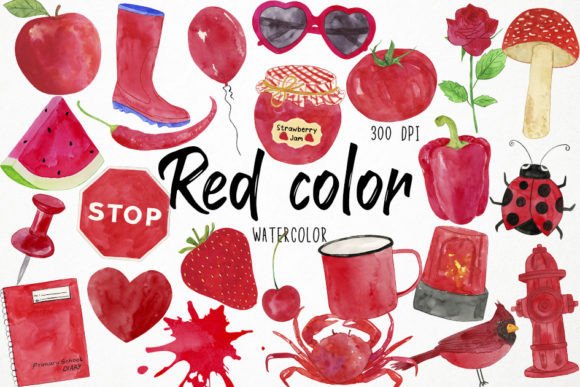
The Watercolor Red Color Clipart immediately gives off a warm, painterly vibe. It’s not a sharp or aggressive red—it’s blended, soft-edged, and feels like a brushstroke from a watercolor palette. This makes it perfect for projects that need a touch of elegance without being too bold. The design has a loose, artistic structure, so it’s not overly detailed, which is a plus for embroidery work where clarity matters.
Best Fit for Embroidery Projects
This design works especially well for personalized gifts and handmade products that lean into a more organic, artisanal aesthetic. I tested it on a custom embroidered tote bag and a baby onesie, and both turned out beautifully. The subtle blending of the red tones gives it a depth that holds up well on natural fabrics like cotton and linen. It also reads clearly at a moderate size, making it a versatile option for small shop products and Etsy sellers looking for a design that’s unique but not too busy.
How It Stands Up in Real Embroidery
In practice, the Watercolor Red Color Clipart holds its own across a range of materials. On a sweatshirt, it gave a soft but visible accent without overwhelming the garment. When stitched onto a pillow cover, the design added a splash of warmth without looking garish. The stitch pattern appears balanced—no overly dense areas that could pucker fabric or cause tension issues.
It also works well for holiday embroidery—I tried it on a kitchen towel for a Valentine’s Day collection, and the color blended nicely with other muted tones. For commercial embroidery projects, this design could be a go-to for branding accent pieces or boutique packaging tags.
Where to Use It Carefully
While the design is forgiving in many applications, it does have some limitations. On dark fabrics, the red tends to blend in a bit too much unless you add a light-colored outline or background. Also, due to the soft edges, it’s not ideal for very small hoop sizes where detail retention is key. I noticed some of the subtler strokes got lost when scaled down below 2 inches.
On stretchy or textured fabrics like knits or terry cloth, the watercolor effect can distort slightly, making the image look less crisp. If you’re planning to use it on curved surfaces like caps or patches with layered stitching, test it first on a similar surface to make sure the flow of the design still reads well.
Visual Appeal and Practical Impact
From a design standpoint, this clipart adds a touch of sophistication without being too formal. It enhances the visual appeal of a product by drawing the eye gently rather than shouting for attention. That makes it great for giftability—people tend to respond well to soft, artistic touches on handmade items.
It also contributes to brand consistency if you’re building a line of products with a shared aesthetic. Since the red is warm and not overly saturated, it pairs well with neutral tones, pastels, and even deeper earth colors. For craft fair products or printable mockups, this design gives a polished, intentional look that signals quality and care.
Designer Notes: What to Watch For
- Test on scrap fabric before stitching on your final product, especially if using textured or stretchy materials.
- Check thread color contrast if stitching on dark or patterned fabric—sometimes the red needs a light underlay to pop.
- Review stitch density carefully, especially if resizing the design for smaller or larger applications.
- Confirm hoop size compatibility with your machine—this design may require a mid-sized hoop to maintain its visual integrity.
- Inspect small details after stitching to make sure the watercolor effect hasn’t blurred into indistinct shapes.
- Try black and white mockups to evaluate contrast and clarity before finalizing your product mockup.
- Use proper stabilizer to prevent puckering, especially on lightweight or stretchy fabrics.
- Verify licensing if you’re planning to sell finished items or digital embroidery files—this is crucial for digital product sellers and creative entrepreneurs.
Final Thoughts: Worth the Stitch?
Yes, with a few caveats. The Watercolor Red Color Clipart is a solid choice for designers and makers who want to add a soft, artistic touch to their embroidery projects. It works best when used thoughtfully—on the right fabric, at the right size, and with the right supporting elements. It’s not a one-size-fits-all design, but when it fits, it really fits.
If you’re building a collection of design assets for your craft business, this is one worth adding to your library. Just be sure to test it thoroughly and pair it with products that match its gentle, painterly style.