Watercolor Vintage Garden: A Designer’s Real-World Review
First Impressions: Soft, Nostalgic, and Versatile
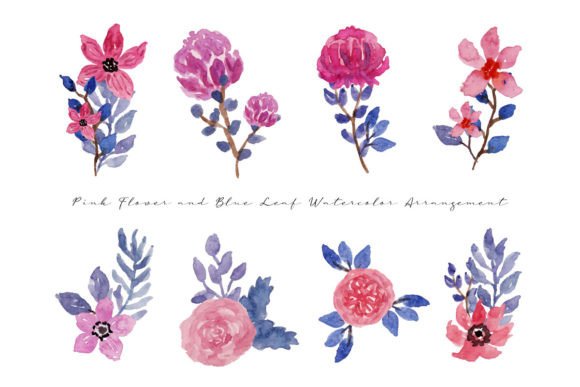
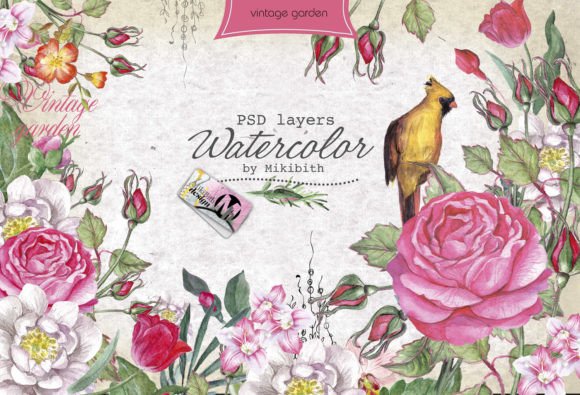
Opening the Watercolor Vintage Garden embroidery file, I immediately felt a sense of calm. The design has a soft, painterly quality that mimics actual watercolor brushstrokes. It’s floral, yes—but not overly feminine or predictable. The color blending and layered petals give it depth, while the loose, organic lines keep it feeling approachable. This isn’t a stiff, symmetrical floral—it’s the kind of design that works for both modern and vintage aesthetics.
As a designer, I immediately pictured it on a linen tote bag, a cotton baby onesie, or even stitched onto a linen apron for a boutique kitchenware line. It’s the kind of design that feels handmade without looking amateurish.
Real-Life Use: From Sweatshirts to Nursery Decor
I tested Watercolor Vintage Garden on a few different fabric types and product formats to get a feel for its real-world performance. First up: a cotton sweatshirt. The design stitched cleanly, with minimal puckering, even on a slightly stretchy sweatshirt fleece. The watercolor effect translated well through satin and fill stitches, and the color transitions were smooth.
Next, I tried it on a lightweight linen tea towel. The softness of the fabric paired beautifully with the delicate nature of the design. I could easily see this being used for kitchen textiles sold in a small shop or as part of a holiday gift set.
Then came the baby onesie. Tiny garments can be tricky, but the design scaled down nicely. I did notice that some of the finer details—like the subtle leaf veins—were less defined on such a small scale, so I’d recommend using it on baby items only if the size allows for full detail retention.
Where It Shines: Commercial and Creative Embroidery Projects
- Custom apparel – Works well on shirts, especially if you're aiming for a boutique or handmade look.
- Tote bags – The vintage aesthetic pairs perfectly with natural fibers like cotton and linen.
- Pillow covers – Adds a soft, artistic touch without overwhelming the fabric.
- Holiday gifts – Great for embroidered tea towels, stockings, or gift bags with a timeless feel.
- Small shop merchandise – Ideal for Etsy sellers or craft fair vendors looking to elevate their product line.
Where to Be Careful: Fabric, Size, and Detail Sensitivity
While Watercolor Vintage Garden is versatile, it’s not a one-size-fits-all embroidery file. It has a lot of soft edges and blended colors, which means it can lose clarity on certain materials.
On dark fabrics, the lighter thread colors tend to stand out more than expected. This isn’t a flaw, but something to test with a mockup or sample stitch-out. If you’re aiming for subtlety, consider adjusting the thread palette before production.
It also doesn’t perform as well on textured or nubby fabrics, like burlap or thick canvas. The fine details get lost in the fabric’s grain. For those materials, a more graphic or simplified design would be better.
Stretchy fabrics require extra stabilizer to prevent distortion, especially around the more delicate petals and leaves. I found that using a medium-weight tear-away stabilizer helped maintain the design’s integrity during stitching.
And while it scales down fairly well, I wouldn’t recommend using it in very small hoop sizes. The intricate details—like the watercolor washes and faint outlines—can become muddy or disappear entirely on tiny items like baby caps or keychains.
Impact on Product Value and Customer Perception
From a product design standpoint, Watercolor Vintage Garden adds a touch of sophistication without being overly formal. It elevates a basic tote bag into something gift-worthy. It gives a handmade apron a curated, artisanal feel. And on personalized gifts—like embroidered pillow covers or custom tea towels—it feels intentional, not just decorative.
For small business owners and Etsy sellers, this design can help establish a cohesive brand aesthetic. It’s the kind of embroidery that reads as “designed,” not just “added.” That makes it great for sellers who want to build a reputation for quality and thoughtful detail.
It also has strong giftability. People respond to soft, nostalgic visuals. This design feels personal, which is a big plus when selling custom or personalized items.
Designer Notes: What to Test Before Production
Before using Watercolor Vintage Garden in a real project, I recommend the following checks:
- Stitch clarity – Do a test run on scrap fabric, especially if you’re using a non-standard material.
- Thread color contrast – Make sure the colors you choose don’t overpower the watercolor effect.
- Stabilizer use – Use the appropriate stabilizer for your fabric type to avoid distortion.
- Detail visibility – Zoom in on the digital file to check for fine lines or small elements that may not stitch well at reduced sizes.
- Licensing – Confirm whether the design is cleared for commercial use, especially if you're selling finished products or digital embroidery bundles.
I also recommend checking how the design looks in black and white mockups. Sometimes, the watercolor effect relies heavily on color layers, and it’s good to know how it translates in monochrome or grayscale previews.
Final Thoughts: A Thoughtful Addition to Your Embroidery Kit
Watercolor Vintage Garden isn’t just another floral embroidery design. It’s a design that tells a story—soft, nostalgic, and handcrafted. Whether you're creating custom apparel, boutique-style kitchen textiles, or personalized gifts, this design brings a quiet elegance that elevates your finished product.
It’s best suited for designers and sellers who understand the importance of detail, fabric choice, and visual tone. If you’re looking for something that feels artistic yet wearable, this design is worth a test run.