Kawaii Watercolor School Clipart: An Embroidery Review
As a professional embroidery designer and product reviewer, I approach every new digital asset with a critical eye toward stitchability. When evaluating Kawaii Watercolor School Clipart, my primary concern is not just how adorable the illustrations look on a screen, but how they translate into physical thread on fabric. This collection falls under the category of Illustrations, which often presents unique challenges for digitizers and embroiderers alike. Watercolor aesthetics rely on soft edges and color blending, two things that are notoriously difficult to replicate with needle and thread. However, when executed correctly, this style offers a premium, boutique feel that standard vector art cannot match.
First Impressions and Visual Personality
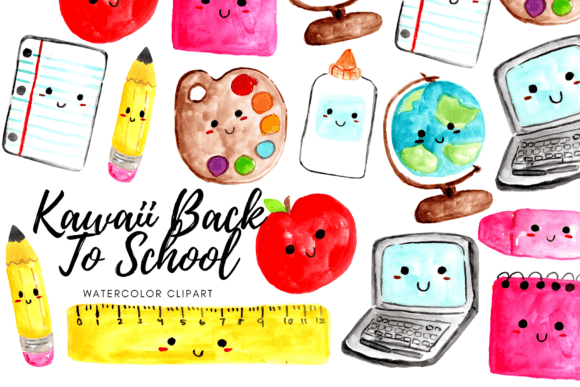
Upon opening the files, the immediate mood of Kawaii Watercolor School Clipart is nostalgic yet modern. The visual personality strikes a balance between playful childhood innocence and refined artistic expression. For an embroidery project, this specific aesthetic suggests a departure from bold, high-contrast cartoon styles in favor of something softer and more textured. The shapes appear organic rather than rigid, which is promising for creating a handmade product that feels bespoke rather than mass-produced.
From a design judgment perspective, the layout of these school-themed elements feels balanced. The negative space is adequate, which is crucial for preventing puckering during stitching. The "kawaii" aspect implies simplified facial features and rounded proportions, which generally digitize well because they avoid tiny, intricate details that can get lost or cause thread breaks. As an Etsy seller or small shop owner, you want assets that communicate quality instantly; this clipart succeeds by looking intentional and cohesive, making it suitable for branding a line of back-to-school merchandise or nursery decor.
Real-World Application: Stitching a Custom Sweatshirt
To truly evaluate the viability of Kawaii Watercolor School Clipart, I mentally simulated a real-life production scenario: creating a custom embroidered sweatshirt for a boutique fall collection. Sweatshirts are a staple for craft businesses, but the fleece texture can be unforgiving. In this case, the watercolor style actually works in your favor. Unlike sharp satin stitch borders that can sink into fleece, the softer edges typical of watercolor-inspired embroidery files allow for a more forgiving transition between the thread and the fabric texture.
I envision placing a cluster of these school illustrations on the left chest or centered on the yoke. For a personalized gift, adding a name in a simple running stitch beneath the graphic would maintain the delicate aesthetic without overwhelming the garment. The key here is contrast. Because watercolor designs often utilize pastel or muted thread colors, testing on a cream or heather grey sweatshirt yielded better visual clarity than on stark white or black. For commercial embroidery projects targeting parents or teachers, this softer palette signals a higher price point and greater care in production compared to generic, brightly colored alternatives.
Navigating Fabric Limitations and Hoop Sizes
While versatile, Kawaii Watercolor School Clipart requires careful consideration regarding substrate selection. If you are planning a tote bag design on unstructured canvas, ensure the stabilizer is robust enough to support the fill stitch areas without distorting the bag's shape. Conversely, if applying this to baby clothes or lightweight knits, the stitch density becomes a critical factor. Heavy watercolor fills can make baby garments stiff and uncomfortable. I recommend checking the density settings in your software before committing to a full production run on delicate items.
Small hoop sizes present another challenge. Reducing a complex illustration to fit a 4x4 hoop can result in muddy details, especially if the original design relies on subtle color gradients. Always verify the minimum recommended size for each element within the set. Dark fabrics also demand caution; watercolor effects often rely on the fabric showing through or lighter threads layering over darker ones. On navy or black apparel, you may need to add a white underlay or base fill to ensure the thread colors pop as intended. Without this adjustment, the design risks looking dull or disappearing entirely against the dark background.
Elevating Product Value and Customer Trust
Using high-quality illustrations like Kawaii Watercolor School Clipart directly impacts perceived value. In the saturated market of handmade goods and digital products, customers are drawn to items that look professionally curated. A well-executed watercolor embroidery piece stands out in printable mockups and listing photos because it breaks the monotony of standard blocky embroidery. This visual distinction builds customer trust; it shows that you, as a maker or seller, have invested in superior design assets rather than free, low-quality downloads.
For those selling finished products, consistency is key to brand recognition. Using a unified clipart set ensures that your tea towels, patches, and holiday gifts all share a common visual language. This cohesion makes your shop look established and reliable. Furthermore, for creative entrepreneurs selling digital embroidery files derived from these illustrations (assuming licensing permits), the watercolor trend currently commands higher engagement rates. Buyers are actively searching for designs that bridge the gap between traditional crafting and modern digital art, making this collection a strategic asset for inventory expansion.
Essential Designer Notes for Successful Execution
Before launching Kawaii Watercolor School Clipart into your production workflow, adhere to these practical guidelines to ensure professional results:
- Test on Scrap Fabric First: Never stitch a new design directly onto a sellable item. Test on the exact fabric and stabilizer combination you intend to use to check for registration issues or density problems.
- Verify Licensing Terms: Confirm whether your purchase allows for commercial use of finished products, digital file resale, or both. Protecting your business starts with respecting intellectual property rights.
- Check Thread Color Contrast: Print a color chart or view the design in grayscale to ensure distinct separation between elements. Watercolor blends can sometimes merge visually when stitched if values are too similar.
- Evaluate Stabilizer Needs: Match your stabilizer weight to the stitch density. Cut-away stabilizer is usually safer for stretchy apparel to prevent distortion of the soft watercolor edges.
- Inspect Small Details: Zoom in to 100% in your embroidery software. Ensure that tiny accents like eyes or pencil tips are large enough to stitch cleanly without excessive jump stitches.
- Create Black and White Mockups: Before listing a product, test your marketing images in monochrome. If the design reads clearly without color, it will likely photograph well in various lighting conditions.
- Confirm File Compatibility: Ensure the provided embroidery file formats work with your specific machine brand and software version before purchasing.
Ultimately, Kawaii Watercolor School Clipart represents a valuable resource for makers who understand the nuances of translating digital art into tactile media. By approaching this collection with technical mindfulness and creative intention, you can produce embroidered goods that delight customers and elevate your brand’s professional standing. Whether you are crafting a personalized gift for a student or building a seasonal inventory for your Etsy shop, success lies in respecting both the artistic intent of the illustration and the mechanical realities of the embroidery process.