Smoke Meat Watercolor Clipart: An Embroidery Review
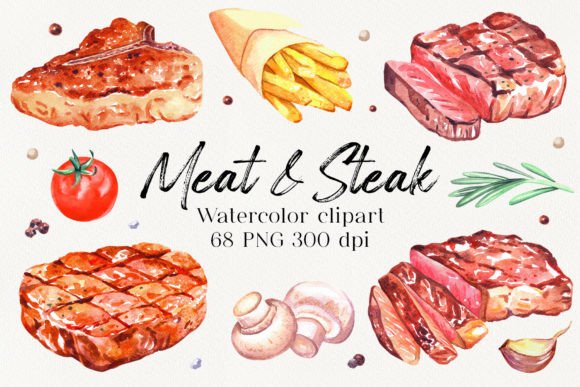
As a professional embroidery digitizer and product reviewer, I approach every new graphic asset with a specific question: will this actually translate to thread? When evaluating Smoke Meat. Watercolor Food Clipart PNG., my mind immediately shifts from pixels to stitches. This illustration captures a distinct rustic, culinary mood that is currently trending in the handmade marketplace. However, watercolor aesthetics present unique challenges for machine embroidery. The soft gradients and organic edges that look beautiful on screen require careful interpretation when converting them into a tangible embroidery project. This review breaks down how this specific clipart performs when adapted for real-world stitching, helping you decide if it belongs in your next commercial or personal collection.
Capturing the Rustic Culinary Aesthetic in Thread
The first impression of Smoke Meat. Watercolor Food Clipart PNG. is one of warmth and artisanal quality. In the realm of digital illustrations, food art often leans toward cartoonish or hyper-realistic vector styles. This watercolor approach sits comfortably in the middle, offering a hand-painted feel that resonates with customers seeking authentic, homemade vibes. For an embroidery designer, this visual personality suggests projects that celebrate craftsmanship. It naturally aligns with kitchen textiles, barbecue-themed apparel, and masculine gift items.
When I visualize this design stitched out, I see it working best as a centerpiece rather than a subtle accent. The organic nature of watercolor means the machine embroidery design should avoid rigid, geometric borders. Instead, the digitizing should honor the soft edges of the original PNG. If you are planning to use this for a tote bag design or an apron, the artwork’s inherent texture adds perceived value. Customers associate watercolor styles with bespoke artistry, which can justify a higher price point for your finished product compared to standard stock designs.
Real-World Application: Stitching a Custom Apron
To truly evaluate this asset, let’s consider a practical scenario: creating a premium embroidered apron for a local pitmaster or a boutique BBQ sauce brand. I recently worked on a similar custom apparel commission where the client wanted a "smoked brisket" motif that felt vintage yet modern. Using a watercolor source like Smoke Meat. Watercolor Food Clipart PNG. requires strategic digitizing decisions. You cannot simply run an auto-digitize function; the result would be a muddy mess of overlapping fills.
In this real-life application, I would treat the watercolor washes as distinct color blocks. For the apron project, we utilized a combination of fill stitch with varied densities to mimic the transparency of watercolor paint. Lighter areas received fewer stitches per millimeter, allowing the canvas fabric to show through, while darker, saturated areas used denser stitching. The result was a textured, dimensional piece that looked intentional rather than flat. This level of detail transformed a simple kitchen garment into a high-end personalized gift. For Etsy sellers and small shop owners, this translation from digital art to tactile embroidery is what builds customer trust and encourages repeat business.
Navigating Fabric Textures and Stabilizer Choices
While the aesthetic is appealing, Smoke Meat. Watercolor Food Clipart PNG. demands respect regarding substrate selection. Watercolor-style embroidery is unforgiving on unstable fabrics. If you are attempting this on a stretchy t-shirt or a thin tea towel without proper preparation, the registration will fail, and the delicate color blending will look misaligned.
- Fabric Texture Matters: Smooth, tightly woven fabrics like cotton twill, denim, or canvas are ideal. They provide a stable base for the complex color changes required to replicate watercolor effects. Avoid heavily textured terry cloth or loose-weave linens unless you plan to use a solid backing or applique foundation.
- Stabilizer Strategy: Do not skimp here. For a sweatshirt embroidery project using this design, I recommend a cut-away stabilizer to prevent puckering around the dense fill areas. For lighter items like baby bibs or napkins, a medium-weight tear-away might suffice, but always test first. The goal is to keep the fabric grain straight so the "paint" doesn't look warped.
- Dark vs. Light Fabrics: Watercolor relies on luminosity. This design will pop brilliantly on white, cream, or natural unbleached cotton. On dark fabrics, you will need to stitch a white underlay base first. Be aware that this increases stitch density significantly, which can make the patch stiff and bulletproof. Test on scrap fabric before committing to a final commercial embroidery run.
Technical Considerations for Digitizers and Makers
Before you load this digital embroidery file into your machine, there are critical technical checks to perform. Because this is a raster PNG and not a pre-digitized file, you are responsible for the structural integrity of the final stitch-out. Always verify the licensing terms of Smoke Meat. Watercolor Food Clipart PNG. to ensure you have the right to sell finished embroidered goods or include the digitized version in your own design assets portfolio.
Pay close attention to small details. Watercolor art often includes splatters, drips, or fine brush strokes. In embroidery, these must be converted to running stitch or satin columns. If a detail is smaller than 1mm, it likely won't stitch cleanly and should be omitted or simplified. Overly ambitious detailing leads to thread breaks and frustration. Furthermore, check your hoop size limitations. Watercolor food illustrations often have irregular aspect ratios. Ensure your hoop can accommodate the full composition without excessive re-hooping, which introduces alignment risks.
Thread color selection is equally vital. You may need 8 to 12 different thread colors to achieve a smooth gradient transition. Matte threads often work better than high-sheen rayon for this style, as they absorb light similarly to paper pigment. Always create a printable mockup or a black-and-white simulation in your software to preview contrast levels before wasting expensive variegated threads.
Elevating Product Value Through Intentional Design
Ultimately, using Smoke Meat. Watercolor Food Clipart PNG. is about more than just putting a picture on fabric; it is about curating a brand identity. For craft business owners, consistency in visual style creates recognition. If your shop specializes in rustic home goods or outdoor lifestyle gear, this watercolor aesthetic reinforces that niche. It signals to the buyer that you understand current design trends and possess the technical skill to execute them in thread.
However, know when to pivot. This design may not be suitable for baby embroidery due to potential stiffness from dense stitching, nor is it ideal for curved surfaces like caps where the flat color gradients can distort. Reserve this artwork for flat, stable canvases where the art can breathe. Whether you are creating a holiday gift set, a wedding favor for a backyard reception, or a signature item for your Etsy store, treat the source material with professional care. Test thoroughly, stabilize correctly, and stitch with intention. When executed well, this watercolor clipart transforms from a simple digital download into a premium textile artifact that commands attention and drives sales.