Watercolor Fruit Illustration Clipart: An Embroidery Review
As a professional embroidery designer and product reviewer, I approach every new digital asset with a healthy dose of skepticism. The screen is forgiving; the needle is not. When evaluating Watercolor Fruit Illustration Clipart for potential use in machine embroidery projects, my primary concern is always translatability. Does this illustration possess the structural integrity to survive digitization, or will it turn into a muddy mess of satin stitches and jump threads on actual fabric? After spending time analyzing this collection from the perspective of both a creator and a small business owner, I have some practical insights for those looking to integrate these designs into their commercial or personal workflow.
First Impressions and Visual Personality
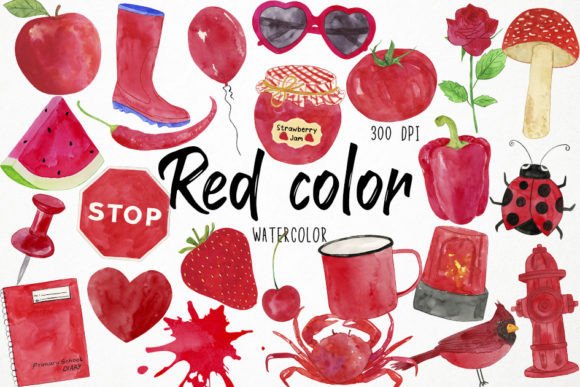
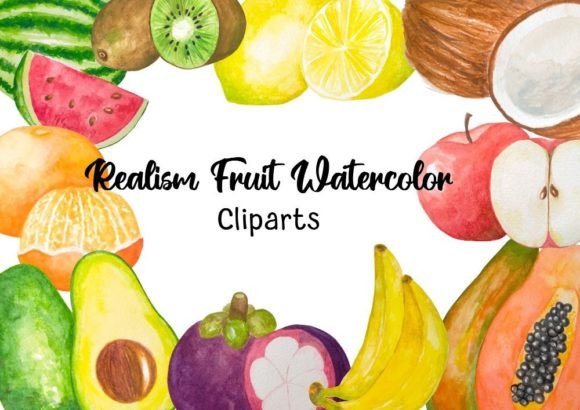
My initial reaction to this Watercolor Fruit Illustration Clipart was that it carries a distinctively soft, organic mood. Unlike rigid vector art, these illustrations rely on color blending and irregular edges to create charm. For an embroidery project, this is a double-edged sword. Visually, they evoke nostalgia and artisanal quality, making them perfect candidates for nursery decor, bridal gifts, or boutique apparel. However, as a digitizer, I immediately noticed that the "watercolor" effect requires careful interpretation. You cannot simply stitch a gradient. The success of using this clipart lies in how well you can map thread colors to mimic that painted transparency without creating excessive stitch density.
The shapes are generally well-defined, which is crucial. Ambiguous edges in digital art often lead to registration issues when converting to an embroidery file. Fortunately, these fruit illustrations maintain enough contrast at the boundaries to serve as excellent guides for applique designs or complex fill stitch areas. They feel less like generic stock assets and more like intentional design elements meant to be the focal point of a handmade product.
Real-World Application: The Linen Tea Towel Test
To truly judge the viability of this clipart, I mentally simulated a specific real-life scenario: creating a premium linen tea towel for a summer wedding gift line. This is a common request for Etsy sellers and craft business owners. Linen has a beautiful texture but can be unforgiving with dense stitching.
In this context, the Watercolor Fruit Illustration Clipart shines if treated correctly. I envision using the larger fruit elements as a centerpiece, utilizing light running stitches to outline the form and sparse fill stitches to suggest shading rather than replicating it entirely. This approach respects the fabric texture while showcasing the illustration's personality. For a client expecting a high-end personalized gift, this balance is key. If the design were too heavy, it would distort the linen and feel cheap. If it were too simple, it wouldn't justify the price point. These illustrations sit in that sweet spot where they look intentional and artistic when stitched out, provided the digitizing prioritizes negative space over saturation.
Navigating Fabric Limitations and Hoop Sizes
While the aesthetic is versatile, you must be strategic about where you apply this Watercolor Fruit Illustration Clipart. Not all substrates are created equal, and watercolor-style embroidery demands specific conditions to succeed.
- Stretchy Fabrics: Be extremely cautious when applying these designs to knit t-shirts or sweatshirts. The organic nature of watercolor art often requires varied stitch angles to simulate brush strokes. On stretchy material, this can cause tunneling or puckering even with proper stabilizer. If you are doing sweatshirt embroidery, consider using these as smaller chest accents rather than large back pieces, or opt for a cut-away stabilizer with adhesive spray to minimize movement.
- Dark Fabrics: Watercolor relies on luminosity. Stitching these onto black or navy fabric will kill the effect unless you plan to use a white underlay base or switch to a bleach-discharge technique first. For most commercial embroidery projects, these designs perform best on cream, white, pastel, or natural unbleached fabrics.
- Small Hoop Sizes: Detail gets lost quickly when scaling down. If you are working with a 4x4 hoop size for baby embroidery or cap designs, select only the simplest fruit shapes from the clipart set. Intricate shading that looks lovely at 6 inches will become indistinguishable blobs at 2 inches. Always check the minimum recommended size before purchasing or digitizing.
- Curved Surfaces: Caps and sleeves present unique challenges. The flat perspective of most clipart doesn't naturally wrap around a curved surface. You may need to digitally warp the image slightly before digitizing to ensure the final embroidered patch or direct-to-garment design looks correct when worn.
Commercial Value and Customer Perception
For Etsy sellers and small shop product lines, visual appeal drives sales, but consistency builds trust. Using Watercolor Fruit Illustration Clipart can significantly elevate the perceived value of your finished products because it moves away from the "cartoony" look associated with amateur machine embroidery. Customers associate watercolor aesthetics with bespoke, high-effort craftsmanship.
However, this places a burden on your presentation. Your printable mockups and listing photos must accurately represent how the thread interacts with the design. Do not use the raw digital clipart as your primary product photo if the actual embroidery has significant texture variation. Buyers need to see the stitch reality. When used correctly in custom apparel or holiday embroidery collections, these designs signal professionalism. They suggest that the maker understands current design trends and has the technical skill to execute them. This directly impacts buyer engagement and justifies higher price points for personalized gifts and boutique branding items.
Essential Designer Notes for Success
Before you load this Watercolor Fruit Illustration Clipart into your software or send it to a contract digitizer, run through this practical checklist. These steps separate hobbyist results from professional outcomes.
- Verify Licensing Terms: Never assume. Check whether the license allows for commercial embroidery of finished products versus selling the digital embroidery file itself. These are two very different rights. Protect your craft business by confirming usage limits.
- Test Stitch Density: Watercolor art tempts us to use more thread to capture detail. Resist this. Run a test stitch-out on scrap fabric identical to your final project. If the fabric feels stiff or bulletproof, reduce the density. Softness equals quality in textile art.
- Thread Color Contrast: View your proposed thread palette in natural light. Screen colors differ vastly from rayon or polyester thread sheens. Ensure there is enough contrast between adjacent shades so the "watercolor" blending reads clearly from a distance.
- Stabilizer Selection: Match your stabilizer to the fabric weight and the design complexity. A tear-away might suffice for a simple outline on cotton, but a detailed fill stitch version of this clipart on a tote bag design will likely require a robust cut-away or fusible mesh to prevent distortion.
- Mockup Reality Check: Create black and white mockups of your digitized version. If the design loses its identity without color, your structure is weak. Good embroidery stands up structurally even in monochrome.
Ultimately, Watercolor Fruit Illustration Clipart offers a beautiful foundation for makers who want to bring painterly softness to their needlework. It requires technical respect and thoughtful application, but the reward is a finished product that feels genuinely curated and artistically rich. Whether you are embellishing a baby blanket or launching a new seasonal apparel line, let the fabric guide your interpretation of the art, and your customers will appreciate the tangible difference.